
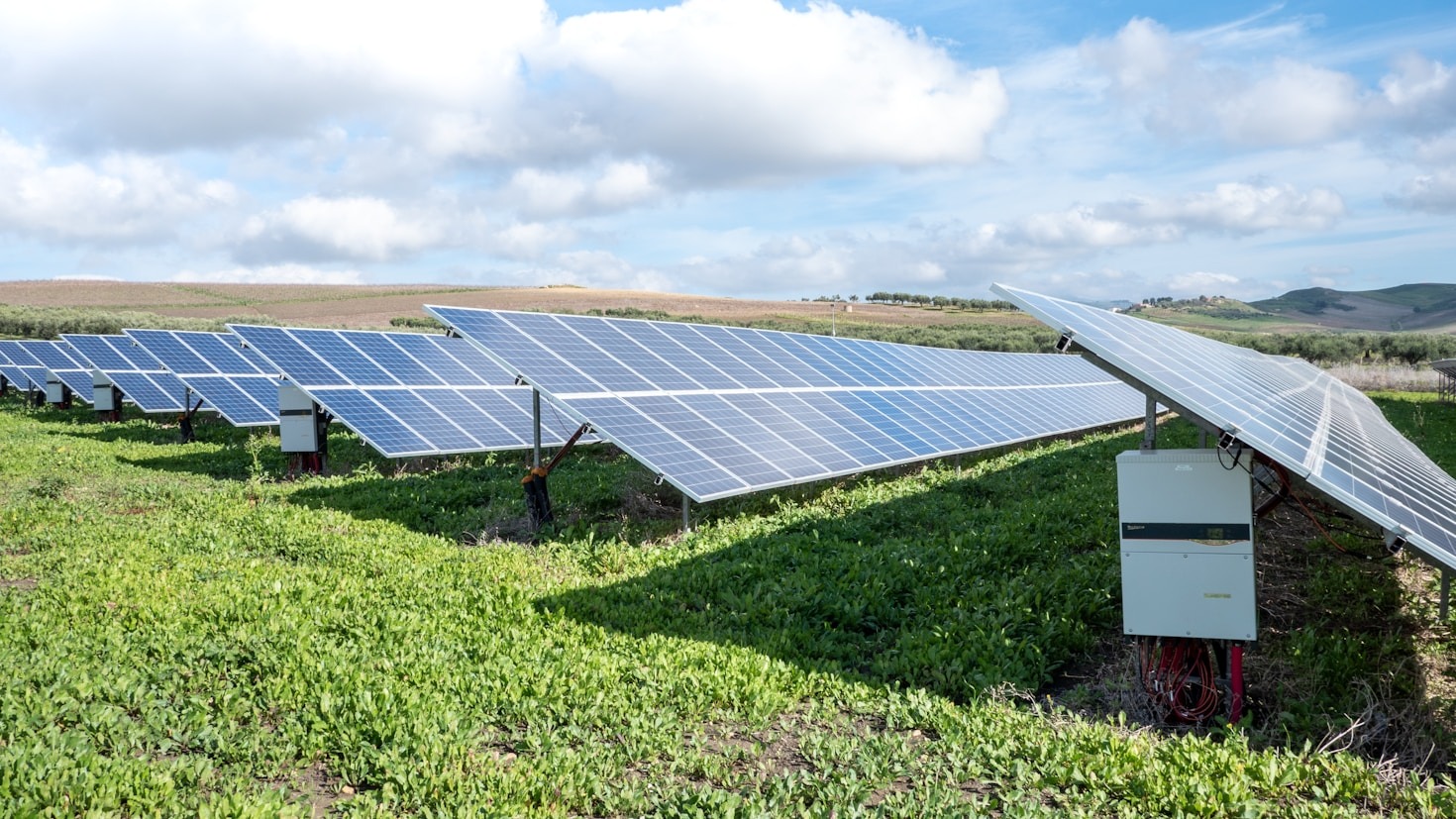
Energy is the lifeblood of development, but in Bihar’s unique topography, a “one-size-fits-all” grid approach often falls short. As the state moves toward a greener future, the integration of Renewable Energy and Hybrid Solutions is no longer a luxury it is a necessity.
Why Hybrid?
Bihar’s geography is diverse, ranging from the flood-prone plains of the north to the heat-intensive zones of the south. Relying solely on solar or wind can lead to intermittency issues. Hybrid systems—combining solar PV with battery storage or biomass—ensure a steady, 24/7 power supply.
Jinfra specializes in designing these systems to be:
1 Resilient: Built to withstand local climatic shifts.
2 Scalable: Designed to grow as the village or town’s energy demand increases.
3 Cost-Effective: By optimizing the mix of energy sources, we lower the long-term operational costs for local governance.
Decentralization as a Strength
The old model of centralized power plants requires massive investment in transmission lines that are prone to loss and damage. By focusing on decentralized energy infrastructure, Jinfra helps Bihar’s towns become self-reliant. We are bridging the gap between global capital and local execution, ensuring that the latest in clean-tech reaches the person at the end of the line.